AI-Assisted Development Without Cutting Corners
by Alejandra Martínez, Solver / Engineering Team
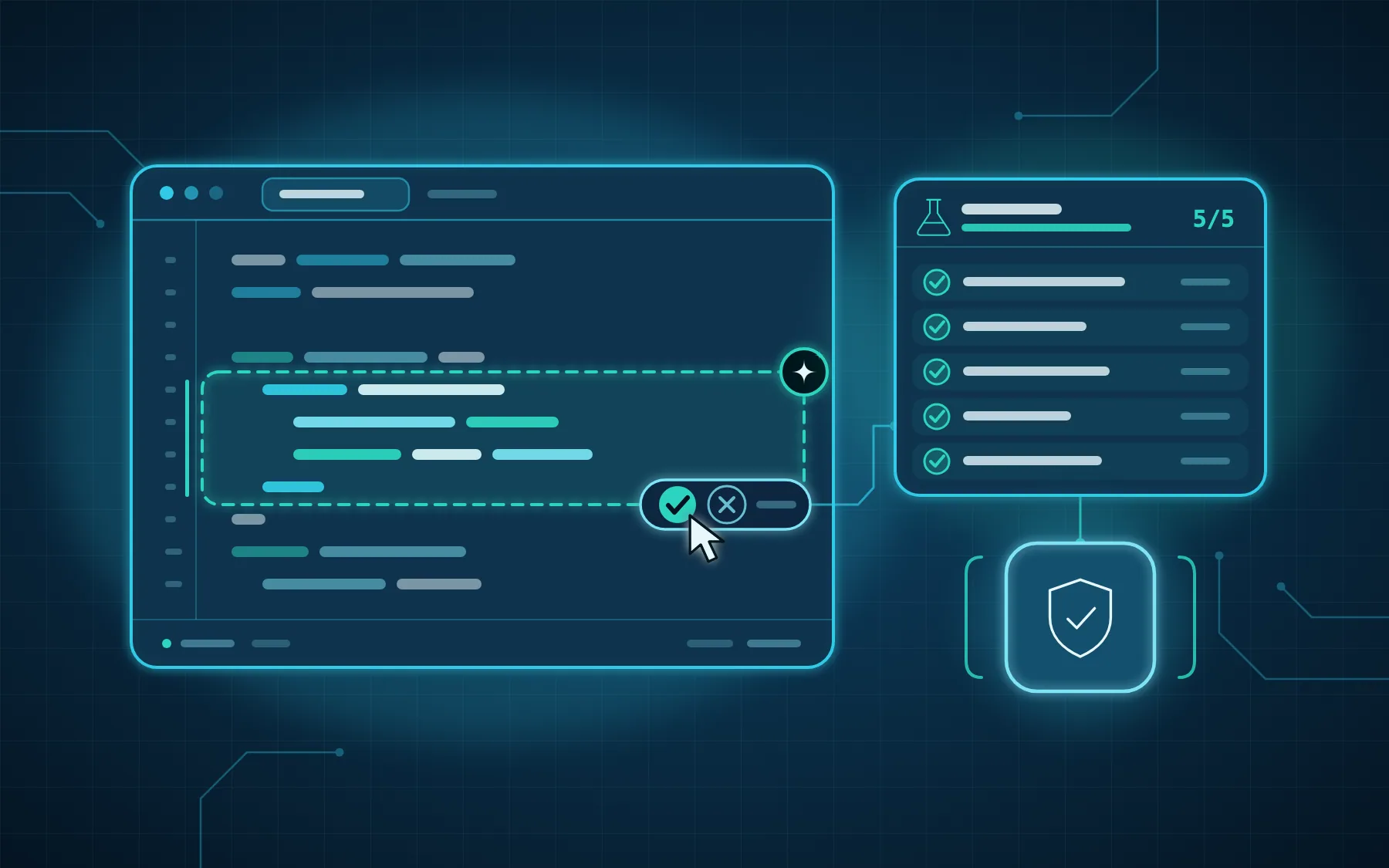
AI coding assistants have changed how software gets written. They can draft a function in seconds, explain an unfamiliar codebase, and generate tests nobody wanted to type. They can also produce code that looks right, passes a quick glance, and is subtly wrong. The tool is only as good as the process around it.
Where AI Genuinely Helps
- Boilerplate and scaffolding: Forms, endpoints, and repetitive structure.
- Tests: Drafting the cases a developer then reviews and sharpens.
- Refactoring and migrations: Mechanical changes across many files, in the spirit of The Power of Refactoring.
- Documentation and exploration: Summarizing a module or explaining how a legacy feature works.
Where It Bites
- Confident mistakes: Plausible code that does not do what you asked.
- Outdated or invented APIs: Functions that no longer exist, or never did.
- Security gaps: Missing validation, unsafe queries, or secrets in the wrong place.
- Quiet over-engineering: Three layers of abstraction where ten lines would do.
- Unvetted dependencies: Packages suggested without anyone checking they are real, maintained, and safe.
Our Guardrails
-
Spec first. We write down what the change should do and how we will know it works before any code is generated.
-
Small, reviewable changes. A small change can be understood, and a thousand-line AI-generated change cannot.
-
Tests are the contract. Generated code must pass automated tests, type checks, and linters in continuous integration before it can merge.
-
A human reviews every merge, and pays special attention to authentication, payments, and personal data.
-
Dependency and secret hygiene. We verify new packages, scan for leaked credentials, and never paste confidential client data into tools that should not see it.
-
Ownership stays human. The developer who accepts a change is accountable for it, exactly as if they had typed every character.
What It Means for You
Used this way, AI shortens the routine parts of a project, which means faster iterations, earlier feedback, and more of the budget spent on the decisions that actually shape your product. The quality bar does not move, and neither does our accountability.
Responsible use of AI is also what makes the architecture advice we give, such as API-first design, pay off: clear contracts are exactly what both people and AI tools need to build the right thing.
Curious how modern tooling could speed up your project without raising its risk? Let's talk.